

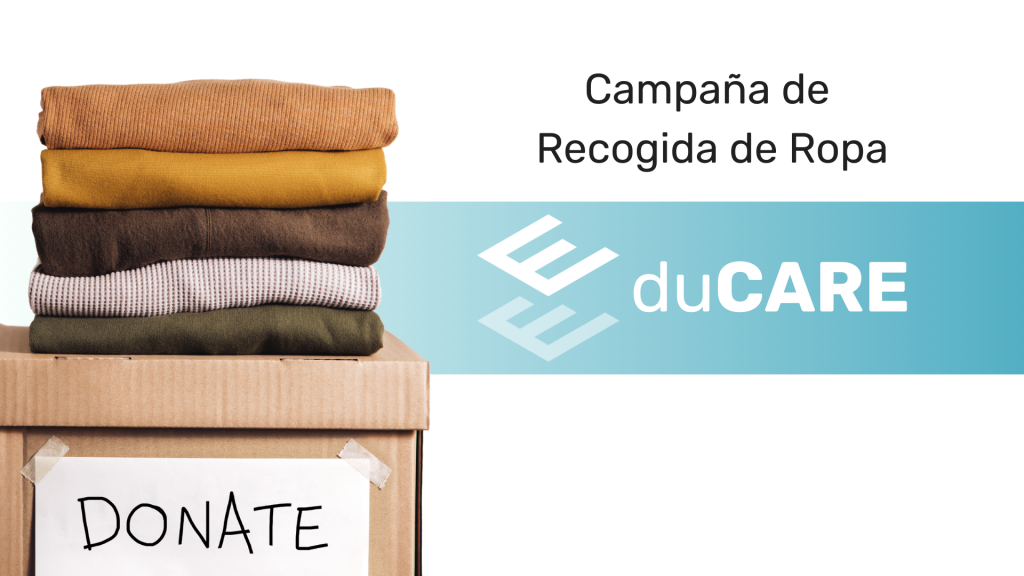
In a season marked by fires that are ravaging landscapes, homes and memories, A family close to us lost everything. The news came via the most human of channels: a message from a colleague. From that moment on, the EDUCA EDTECH Foundation launched “We need more people to lend a hand”, an express collection drive that, in a matter of hours, transformed an office lobby into a small logistics centre and turned an internal message into a wave of tangible support.
A call to action with precision and dignity
The message was deliberately specific. There was no room for generalities, because when it comes to starting afresh, precision is a matter of dignity. Real-life experiences and needs were shared —T-shirts, trousers and shoes—along with basic household items such as sheets, blankets, towels, plates, glasses and cutlery. A clear deadline was set, and the handover was centralised at a table set up in the hall. This logistical simplicity reduced friction, speeded up the sorting process and It ensured that what was urgent was, in fact, urgent.
From the shop floor to the home: when stock becomes a source of relief
Within a few days, the clothes, bed linen, towels and household goods were on their way to their destination. The plan involved a single consignment to minimise journeys and maximise efficiency. As the boxes were unpacked, the contents brought tangible relief: clothes that fit, textiles ready for use, and kitchenware to set up a kitchen. The family shared their joy with us and sent us some photographs which show the excitement with which they received each parcel. These images are handled with the care they deserve, with express consent and limited distribution, because aid must never take precedence over privacy.

Solidarity with a method: paying attention to the details
The reuse of textiles and household goods extended the service life of materials and prevented unnecessary waste; centralising the collection and using a single transport route made the operation more efficient. The list organised by sizes and specific needs was not merely a technical detail, but the very essence of dignity: receiving a garment that fits or sheets that are ready to use is different from a “just in case” which makes it necessary to seek alternatives. The language used was also important – free from sensationalism and labels – as was accountability to both donors and recipients, because trust is built by explaining how things are done.
A caring community
“What is one thing for one person is a I've got plenty to spare, for them, right now it might be a It saves me”. That phrase, which accompanied the announcement, explains why this initiative It worked: because every small gesture became a driving force; because every useful item saved an immediate expense; because every box represented a concrete step towards having a home again. Experience confirms that organised solidarity arrives sooner, is more effective and causes less collateral damage. From the EDUCA EDTECH Foundation, thanks to everyone who made this possible. We remain at your service — with our heads, our hearts and our methods — so that, When the time comes again, let us lack nothing: neither the will, nor attention to detail.