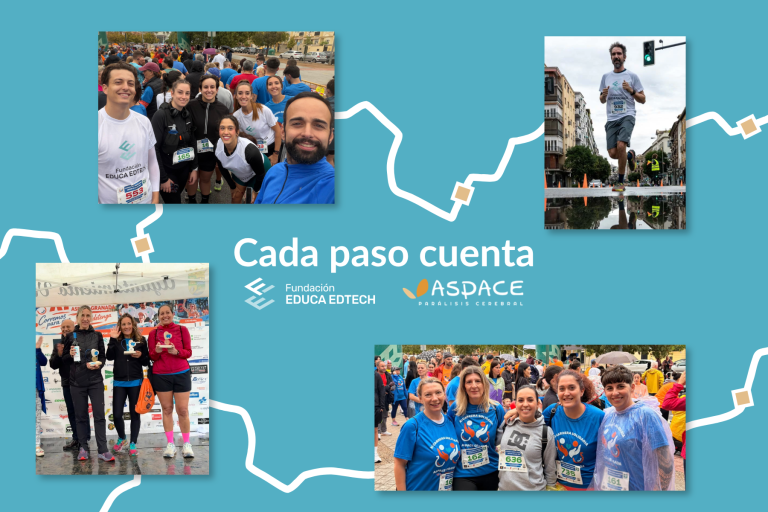
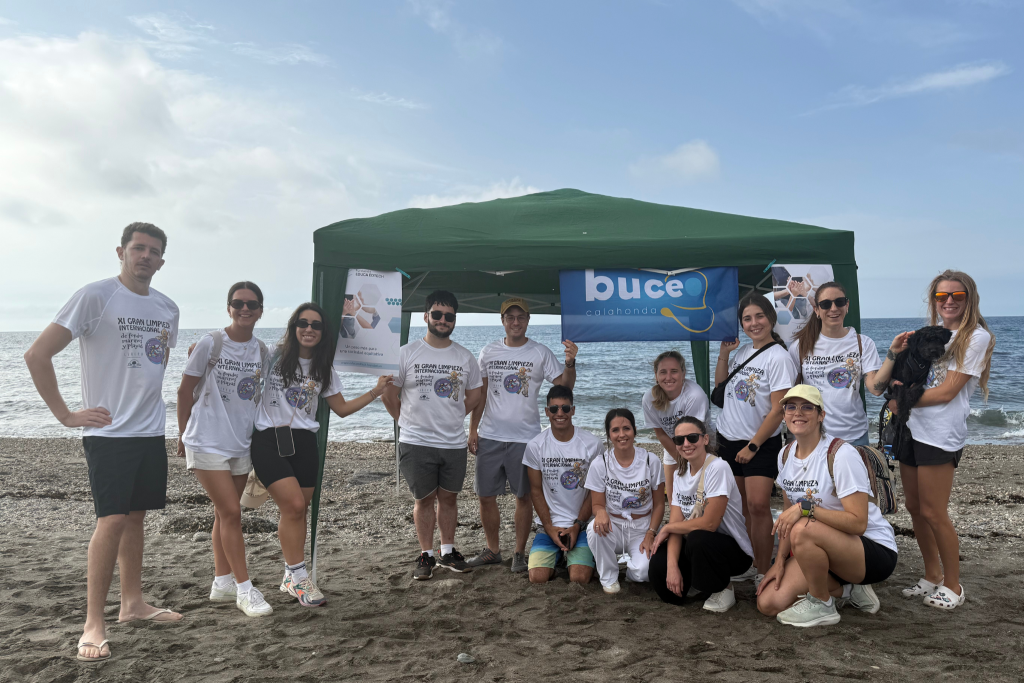
On 21 September, we had the opportunity to take part in the 11th International Seabed and Beach Clean-up, a global campaign that has shown that when society and science come together and work in partnership, they can have a real impact on the health of our seas.
In this edition, organised by the Marine Watch Network as part of the The LIBERA Project by SEO/BirdLife and Ecoembes, simultaneous clean-up operations were carried out in almost 40 places in Spain —from Andalusia to the Basque Country, via the Canary Islands, the Balearic Islands, Melilla and the inland waters of Castile-La Mancha and Castile and León— and in extensive coastal areas of Colombia and Brazil, where there was a huge turnout.
The result: more than 3,270 kilos of marine litter collected in a single weekend in various parts of the world, breaking chains of impact that would otherwise have persisted for years.
Waste collected: surprising figures and findings
The data, which has already been incorporated into the database MARNOBA, illustrate the variety and severity of the waste recovered.
Tons of plastic, cigarette ends, textiles, batteries, tins, fishing nets and personal hygiene products have been collected. Among the most unusual finds in other clean-up operations were a table with four chairs, a Christmas tree, prosthetic limbs, road signs and even a car radio. Each of these items posed a direct threat to wildlife and ecosystems.
Citizen science for a sustainable future
Every item of rubbish collected from the sea or the coast was classified, recorded and quantified via the app MARNOBA, which made it possible to build up a global database. This citizen science initiative provides valuable information on the origin, types and behaviour of waste, with the aim of enabling scientists and public authorities develop more effective strategies to tackle marine pollution.
Blue Solidarity: from waste to food
One of the most inspiring aspects of the initiative is the partnership between the Marine Watch Network and Nueva Pescanova, which turns the waste collected into kilos of food donated to the Spanish Federation of Food Banks (FESBAL).
This system of “kilos for kilos” It multiplies the positive impact of the campaign: for every plastic bag, glass bottle or fishing net removed from the sea, the food cupboards of families in vulnerable situations are also stocked. Since this partnership began, more than 100 tonnes of food throughout Spain.
Social and educational impact
Women net-makers
The initiative also has a strong social and empowerment aspect. The divers collected the rubbish using handcrafted nets made by women from fishing nets abandoned at sea. This project, which originated in the Basque Country and has spread to the Murebar Association of Barbate (Cádiz), not only does it give disused materials a new lease of life, but it also supports these craftswomen by providing them with decent working conditions.
Environmental education
The campaign encouraged young people to get involved through the figure of the “Little Volunteer”. Boys and girls helped to clean up the beaches, collecting litter from the shore, and took part in awareness-raising workshops, thereby reinforcing environmental education as a key tool for ensuring a more sustainable future.
An urgent problem that calls for commitment
Marine litter is a silent but devastating threat. Every year, between 9 and 14 million tonnes of plastic end up in the oceans. It is estimated that more than 1 million birds and 100,000 marine mammals die every year after ingesting plastic or becoming entangled in it. This waste, as it breaks down into microplastics, contaminates the entire food chain and ultimately ends up on our plates too.
The 11th International Clean-up It is a source of hope in the face of this challenge. Thanks to the involvement of organisations, institutions, partner companies and thousands of volunteers, it has been shown that it is possible to take action that has a direct impact on nature and society.
EDUCA EDTECH Foundation: a commitment to education and the planet
Here at the EDUCA EDTECH Foundation, we are delighted to have been part of this major international campaign, and we are convinced that education and technology are key drivers for raise environmental awareness, to encourage public participation and maximise the impact of this type of initiative.
Our involvement reinforces the foundation’s commitment to the ocean conservation, the social justice y the education of new generations who are aware of the importance of looking after the planet.
Conclusion
With more than 3,270 kilos of marine litter collected, tonnes of food donated to vulnerable families, and scientific data that will help prevent future pollution, the 11th International Seabed and Beach Clean-up It teaches us a clear lesson. When science, education and solidarity come together, the seas benefit, society benefits and the future benefits.
At the EDUCA EDTECH Foundation, we will continue to join forces to ensure that every action we take is a firm step towards a more sustainable world.